How to choose cosmetic packaging for your formula
Made by Anadoris buyer guide · Updated · 6 min read
Choose cosmetic packaging by starting with the formula, not the look. Match the format to the texture, protect air- or light-sensitive ingredients, and plan how the customer doses the product. Thin serums and oils suit droppers or airless pumps, lotions suit pumps, rich creams suit jars or airless, gels suit tubes and solid balms suit sticks. Then test the pack with your actual formula.
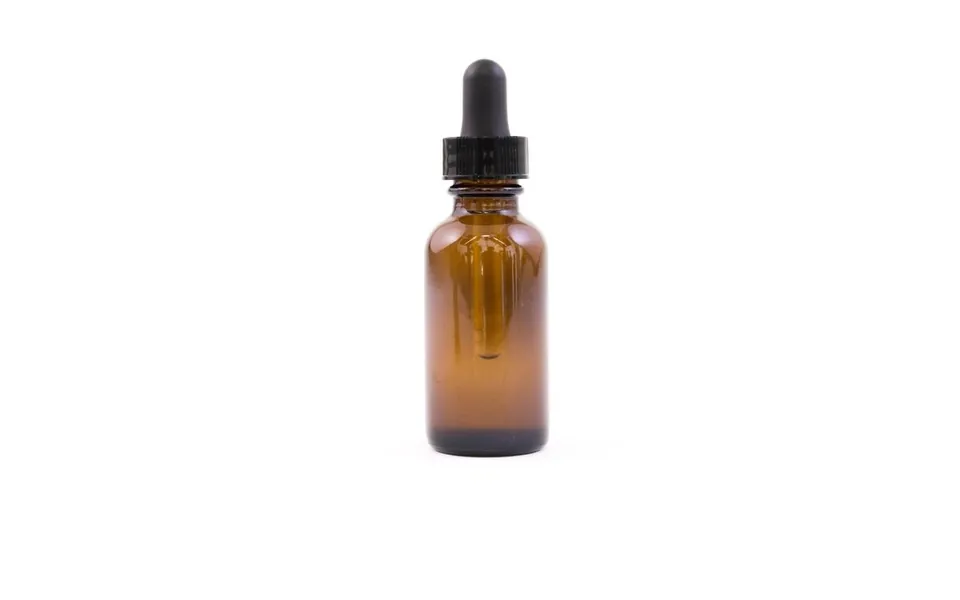
The right cosmetic packaging is the one that keeps your formula stable, dispenses it cleanly and suits the way your customer uses it. Looks matter, but they come last. Start with four questions: how thick is the formula, how sensitive is it to air and light, how much does the customer use each time, and where will the product be used? Answer those and the shortlist usually narrows to two or three formats. Compatibility testing with your actual formula then decides.
Our cosmetic packaging range covers airless bottles, pumps, droppers, jars, tubes, sticks, mist bottles, colour cosmetics packs and refillable formats. This guide shows how to choose between them.
What should decide your packaging format?
Work through these factors in order. Each one removes options.
- Viscosity and texture. Water-thin liquids, oils, lotions, creams, gels, balms and powders each need a different dispensing system. A pump that handles a lotion may struggle with a thick cream. A dropper suits a serum but not a gel.
- Ingredient sensitivity. If the formula contains ingredients that react with air or light, you want a pack that limits exposure. Airless systems, opaque walls and tinted glass all help.
- Dose and use. A serum is used a few drops at a time. A body lotion is used generously. A lip balm is applied directly. The pack should deliver a sensible amount without waste or mess.
- Hygiene. Open-mouth jars mean fingers go into the product. That is acceptable for many creams and butters, but some brands prefer a closed system such as an airless pump or tube.
- Where it is used. Shower products need pack materials and closures that cope with wet hands. Travel products need secure closures. Hotel amenities need formats that suit housekeeping.
- Brand position and channel. Glass and heavy-wall packs read as premium. Lightweight plastic travels and ships more easily. Retail shelves, e-commerce and gifting each favour different formats.
- Decoration and minimums. Some formats decorate more easily than others, and decoration affects order minimums. Decide early whether you need printed packs or will start with labels.
Which packaging format suits which formula?
Use this table as a starting point. It is a guide, not a rule; your own testing has the final say.
| Formula type | Usually suits | Also works | Watch out for |
|---|---|---|---|
| Water-light serum or essence | Dropper bottle | Airless pump, fine-mist bottle | Light-sensitive actives need tinted or opaque walls |
| Face oil or oil serum | Dropper bottle | Small pump bottle | Oils can affect some plastics and teat materials; test first |
| Gel or gel-cream | Tube | Airless pump, jar | Very thick gels may need a wider orifice |
| Light lotion | Pump bottle | Tube, tottle | Pump output should match the intended dose |
| Rich face cream | Jar | Airless pump or airless jar | Open jars expose the cream to air and fingers |
| Air-sensitive cream or serum | Airless bottle | Tube with a narrow orifice | Confirm the airless system handles the viscosity |
| Toner or face mist | Mist and spray bottle | Flip-cap bottle | Spray pattern depends on viscosity |
| Body wash or shampoo | Pump or flip-cap bottle | Tube, tottle | Closures must work with wet hands |
| Body butter or balm | Jar | Stick | Soft butters can melt in warm transit |
| Solid balm, deodorant or stick foundation | Stick | Jar, compact | Fill temperature and stick mechanism must suit the formula |
| Lip balm, gloss or lipstick | Lip packaging | Tube, small jar | Applicator type changes the user experience |
| Pressed or loose powder | Compact or sifter jar | Palette | Pan size must match the pressing tooling |
Should a product go in an airless, pump or dropper bottle?
Airless bottles
Airless bottles dispense the product without drawing air back into the container. A piston or inner bag rises as the product is used. That limits contact with air and keeps fingers out. Airless packs suit creams, serums and lotions with sensitive ingredients, and they dispense well when held at any angle. The trade-off is that they need a formula within the viscosity range the pump was designed for, and they cost more than a simple pump. Our airless bottles guide covers how they work in more detail.
Pump bottles
Pump bottles are the everyday choice for lotions, cleansers, body washes and hair care. They are easy to use and give a consistent dose. A standard pump uses a dip tube, so air replaces the product as it is used. Choose the pump head for the job: lotion pumps for thicker liquids, foam pumps for foaming cleansers, treatment pumps for smaller doses.
Dropper bottles
Dropper bottles suit thin serums, face oils, hair oils and essential-oil blends. Customers associate them with concentrated, targeted products. Glass droppers in amber or frosted finishes are common. Check that the teat material and the pipette length suit both the oil and the bottle height, and that the formula is not too thick to draw up.
When do jars, tubes or sticks make sense?
Jars
Jars suit rich creams, masks, scrubs and butters that are too thick to pump. They are easy to fill and give a generous, tactile experience. Double-wall jars add visual weight. The main drawback is exposure: each opening lets air in and fingers touch the product. A spatula or an inner disc helps. If your formula is sensitive, consider an airless jar instead.
Tubes
Tubes handle gels, creams, cleansers, hand creams and sun care well. They are light, squeezable and travel-friendly, and they limit air contact better than a jar. Laminate and plastic tubes differ in feel and barrier. Tubes also offer a large flat print area, which helps with decoration.
Sticks
Sticks suit solid formulas such as balms, deodorants, cleansing sticks and stick makeup. They are mess-free and portable. The formula must set firmly enough to stand in the mechanism, and the fill temperature must suit the pack material.
Which packs suit mists, lip products and colour cosmetics?
Some product types have their own pack families:
- Mist and spray bottles for toners, setting sprays, hair mists and room sprays. The finer the mist, the thinner the formula needs to be.
- Lip packaging for lipsticks, glosses, balms and lip oils, with applicators from doe-foot wands to rollers.
- Compacts and palettes for pressed powders, blushes, highlighters and eyeshadows.
- Mascara and eye packaging where the brush or applicator matters as much as the bottle.
- Eco and refillable packaging for brands planning refills or lower-material formats.
How do you test packaging with your formula?
Never order packaging at volume without testing it with the exact formula that will go inside. A pack that works for one cream can fail with another.
- Shortlist two or three packs per product from the formats above.
- Request samples of the packs and fill them with the final formula, not a placeholder.
- Run compatibility and stability checks. Store filled packs under different conditions and look for leaks, discolouration, swelling, cracking, odour change or loss of weight. Our testing and documents service can advise on what to run.
- Test the user experience. Pump it, squeeze it, drop it, open it with wet hands. Check the dose and how much product is left at the end.
- Check filling. Confirm the pack suits the filling line, fill temperature and fill volume.
- Check transit. Ship samples and see how closures and pumps hold up.
What packaging mistakes should you avoid?
- Choosing the pack from a mood board before the formula is final.
- Putting a thick cream in a pump designed for lotions.
- Using clear packaging for a light-sensitive formula.
- Assuming a pack is compatible because a similar product uses it.
- Ordering decorated packs before the label text has been checked with your regulatory adviser.
- Forgetting the outer carton and how the pack sits in it.
How do decoration and order size fit in?
Once the format is chosen, you decide how to brand it. Labels are the simplest route and suit smaller first runs. Screen printing, hot foil stamping, colour matching and special coatings give a more finished look but usually raise the minimum order for that pack. Our packaging decoration guide explains the options, and the custom packaging service quotes decorated packs per brief. Material choice matters too; see our cosmetic packaging materials guide.
If you are pairing packs with a ready formula, ready formulas start from 500 units per product, and stock packs with labels keep that first run simple.
Next step
Pick a formula, shortlist two or three formats from the table above, and ask us for samples of both the formula and the packs. Send us your packaging brief or browse the full packaging range to start your shortlist.
Frequently asked questions
What is the most versatile cosmetic packaging format?
Pump bottles are the most versatile everyday format because they handle lotions, cleansers, body washes and many hair care products with a consistent dose. Airless pumps cover a wider range of sensitive creams and serums but need a formula within their designed viscosity. No single format suits every formula, so always shortlist by texture and sensitivity, then test with your actual product.
Should a face serum go in a dropper or an airless pump?
It depends on the serum. Thin, oil-based or water-light serums usually suit droppers, which customers associate with concentrated products. Serums with air-sensitive ingredients, or slightly thicker gel serums, often suit an airless pump because it limits air contact and keeps fingers out. Test both with the final formula and compare dose, feel and stability before deciding.
Are jars a bad choice for skincare?
No. Jars suit rich creams, butters, masks and scrubs that are too thick to pump, and they give a tactile, generous experience. Their drawback is that each opening exposes the product to air and fingers. For sensitive formulas, consider an airless jar, a tube or a spatula and inner disc. Your stability testing should guide the final choice.
Do I need to test packaging if the supplier says it is compatible?
Yes. Compatibility depends on the exact formula, including its oils, fragrance, solvents and actives, not just the product category. A pack that works with one cream can leak, discolour or crack with another. Fill samples with your final formula, store them under different conditions and check for changes before you order at volume. Confirm requirements with your regulatory adviser.
Can I start with labels and move to printed packaging later?
Yes, and many new brands do. Labels let you launch with smaller runs and change artwork easily. Once a product proves itself, you can move to screen printing, hot foil or colour-matched packs, which usually need larger order quantities. Keep the same pack shape and size when you switch so your filling and cartons stay the same.