Private label serums: how to choose, pack and brief your line
Made by Anadoris buyer guide · Updated · 6 min read
A private label serum is a ready or custom face serum made by a manufacturer and sold under your brand. Three choices shape it: the texture (water gel, emulsion, oil or bi-phase), one hero ingredient family, and a pack that protects the formula, usually a dropper or airless bottle. You then approve a sample, artwork and documents.
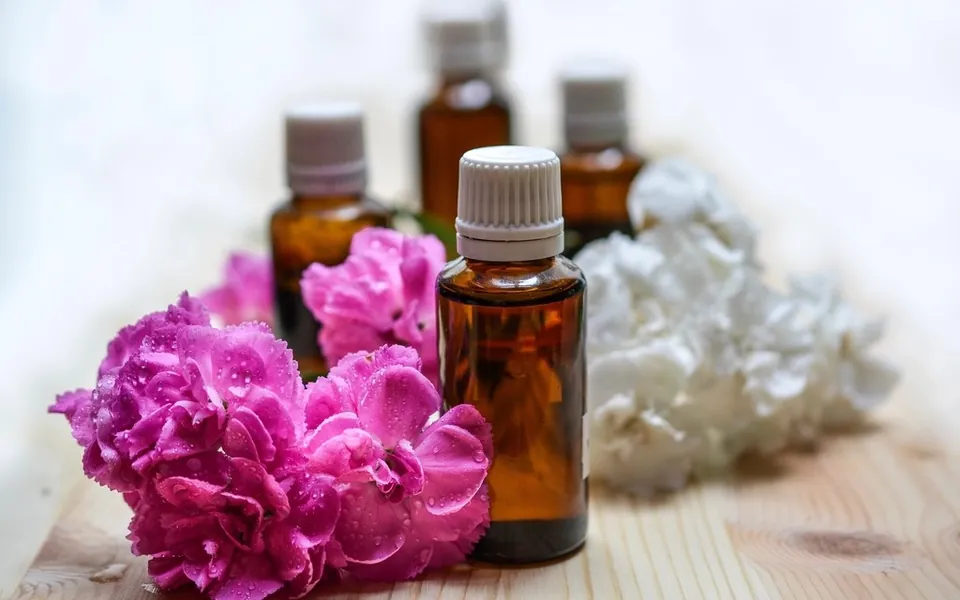
The fastest route to a private label serum is a ready formula: choose an existing base, approve a sample, supply artwork and order from 500 units per product. A custom formula takes longer but gives you a texture, ingredient story and fragrance no one else sells. Either way, the same three decisions shape the product: texture, key ingredient family and pack. This guide takes them in that order and ends with a checklist you can send us as a brief.
Our private label serum range sits inside a wider skincare range, all made in our own facility in Ambala, India.
What does a private label serum manufacturer actually do?
The manufacturer handles everything the customer never sees: formulation, raw material sourcing, batch manufacturing, filling, capping, labelling and the documents an importer asks for. You own the brand, the positioning, the price and the customer.
There are three ways to work together:
- Ready formula, your label. You pick an existing serum, we fill it into a stock pack and apply your label. This is our logo-and-go service and the quickest route to market.
- Ready formula, adjusted. You keep an established base but change the fragrance, colour or a featured extract. Changes may need fresh stability checks.
- Custom formula. You brief a new serum from the texture up. See custom formulation for how briefs, lab samples and approvals run.
Which serum texture should you choose?
Settle texture first. It decides how the serum feels, how it layers under moisturiser and which pack it needs, and customers notice it before they read a single ingredient.
| Texture | How it feels | Suits | Usual pack |
|---|---|---|---|
| Water gel | Light, clear, fast absorbing | Hydrating and brightening stories, oily or combination skin | Glass dropper or pump |
| Milky emulsion | Soft, slightly creamy, cushioned | Dry or sensitive-feeling skin, evening routines | Airless bottle or pump |
| Oil serum | Rich, slips across skin, glow finish | Dry skin, night use, facial massage | Amber or frosted glass dropper |
| Bi-phase | Two visible layers, shaken before use | Products that need a visual hook | Clear glass or PET bottle with dropper or pump |
| Ampoule or concentrate | Small dose, often more active-led | Limited-run kits, routine boosters | Small droppers or single-use vials |
If you want an oil serum, our face oils sit close to that category and are worth comparing before you commit.
Which hero ingredient should your serum be built around?
Build each serum around one ingredient family. It keeps the story clear and the label honest. The common families are:
- Humectants. Hyaluronic acid in its various forms, glycerin, panthenol and similar water-binding ingredients. These carry hydration stories and fit easily into most routines.
- Vitamins and their derivatives. Niacinamide, vitamin C derivatives and vitamin E. Brightening and radiance stories usually sit here. Some forms of vitamin C oxidise quickly, which affects pack choice.
- Exfoliating acids. Lactic, glycolic, mandelic and salicylic acids. Rules on use levels and warnings differ by market, so check them early.
- Peptides and proteins. Used in firming and smoothing appearance stories. They sell on texture and routine fit, not on dramatic claims.
- Retinoids and retinol alternatives. Popular for night serums. Several markets set limits or require warnings, and these ingredients are light-sensitive.
- Botanical extracts. Green tea, liquorice, centella, saffron, aloe and many more. These give a serum its origin story and suit brands with an Ayurvedic or heritage angle.
- Plant oils. Squalane, rosehip, jojoba and others for oil serums. Our carrier oils show what is available as a base.
Keep claims cosmetic. Words such as "hydrates", "smooths the look of", "brightens the appearance of" and "softens" describe how skin looks and feels. Anything that sounds medical can turn a cosmetic into a regulated drug in many markets.
Dropper, airless or pump: which pack suits your serum?
A serum pack has two jobs: protect the formula and dose it neatly. Get it wrong and the serum can spoil sooner or become awkward to use.
Dropper bottles
Dropper bottles are the format customers expect. They suit water gels and oils. Amber or frosted glass reduces light exposure for sensitive ingredients. Check that the pipette length matches the bottle and that the bulb material suits your formula, as some oils can soften certain rubbers over time.
Airless bottles
Airless bottles push product up from the base without letting air back in. They suit emulsions and serums with oxidation-sensitive ingredients such as some vitamin C forms or retinoids. They also dose more evenly than a dropper and travel better.
Pumps and other formats
A standard pump bottle works for thinner emulsions and gel serums, especially in larger sizes. Single-dose vials and capsules suit sampling and gift kits.
Whichever you choose, run a compatibility check: the formula sits in the actual pack for a period under different conditions, and we look for changes in colour, smell, texture and pack integrity. Pack and formula should be approved together, not separately. Our custom packaging service covers decorated glass, printed boxes and matching closures.
What should you put in a serum brief?
A clear brief means fewer sampling rounds. Send these points with your inquiry:
- Who it is for. Skin type, age group, climate and the routine step it fills.
- Texture and finish. Gel, emulsion, oil or bi-phase. Matte, dewy or satin finish.
- Hero ingredient family. Name the family or ingredient you want on the front label, plus anything you want left out.
- Fragrance. Unfragranced, lightly fragranced or a signature scent shared with the rest of your range.
- Pack and size. Dropper, airless or pump, plus glass or plastic and your preferred finish.
- Target markets. This decides which ingredients, warnings and label formats apply.
- Claims you want to make. List them now, so we can tell you which need supporting tests.
- Quantity and timing. First order size per product and your launch window.
Which documents and tests does a private label serum need?
Requirements depend on where you sell. Typical documents include a product information file or equivalent, an ingredient list in INCI format, a certificate of analysis for each batch, a safety data sheet, stability and compatibility results, and a safety assessment where the market requires one. Our testing and documents service explains what we prepare and what third-party labs handle.
Frameworks you may need to meet include the EU Cosmetics Regulation (EC) No 1223/2009, UK cosmetics regulation, US FDA requirements under MoCRA, India's Cosmetics Rules 2020 and GCC labelling requirements. Always confirm the exact requirements with your importer or regulatory adviser before you print labels.
Our facility is ISO certified and GMP-compliant, and we can supply Halal and Kosher documentation on applicable products.
What drives the cost and timeline of a serum?
A ready formula in a stock pack with your label is the quickest route. Decorated packaging, a new fragrance or a fully custom formula each add sampling, stability and supplier lead time.
The main cost drivers are:
- The hero ingredients and how much of each the formula uses.
- Pack material and decoration: printed glass, metallised caps and custom moulds all add cost.
- Order quantity per product and per variant.
- Secondary packaging such as cartons, leaflets and gift boxes.
- Testing required by your target markets.
Ask for a quote against a specific brief: a vague brief gets a vague number. See how private label works with us for the full sequence from sample to dispatch.
How many serums should you launch with?
Most brands launch a small set of serums that cover different needs without overlapping. A common pattern is one hydrating gel for daytime, one radiance serum and one richer night serum or oil. Keep the packs visually consistent, ideally the same bottle in different finishes or label colours, so the line reads as a family on shelf and online. Then add a moisturiser and a cleanser to complete the routine.
Next step
Browse the serum range, shortlist formulas and packs, then send us your serum brief. We will come back with sample options and a quote for your quantities and markets.
Frequently asked questions
What is the minimum order for a private label serum?
Ready serum formulas start from 500 units per product. Custom formulas and decorated or custom packaging are quoted per brief, because the minimum depends on raw material batch sizes and the packaging supplier's own minimums. Tell us your target quantity per product and we will confirm what each route allows.
Should a serum go in a dropper or an airless bottle?
Water gels and oil serums suit glass droppers, which customers expect and which look premium. Emulsions and serums with oxidation-sensitive ingredients, such as some vitamin C forms or retinoids, often suit airless bottles, which limit air contact and dose evenly. Run a compatibility test on the actual pack before approving either.
Can I change the fragrance or hero ingredient in a ready serum?
Often, yes. Small changes such as a different fragrance, a removed fragrance or a swapped botanical extract can usually be made to a ready base. Any change to the formula may need new stability and compatibility checks, and it can move the project from ready to custom pricing and timelines.
What claims can I make on a private label serum?
Stay with cosmetic claims about how skin looks and feels, such as hydrates, softens or brightens the look of skin. Claims that suggest a medical effect can reclassify a product as a drug in many markets. Any measurable claim needs test evidence, so list your intended claims in the brief and confirm them with your regulatory adviser.
Which documents come with a private label serum?
Typical documents are an INCI ingredient list, a certificate of analysis per batch, a safety data sheet, stability and compatibility results, and support for the product information file or safety assessment your market requires. Exact needs differ by country, so confirm the list with your importer or regulatory adviser before ordering.