 Ready formula
Eye care
Hyaluronic acid is a humectant: it draws water into the upper layers of skin and holds it there, which is why it anchors so many hydrating formulas. Our catalogue carries it in 58 ready formulas, mostly serums, alongside creams, toners and mists, eye care and some face makeup. Brands can request samples, choose a formula and launch it under their own label from 500 units per product.
Ready formula  Serum
 Serum
 Serum
 Serum
 Serum
 Ready formula
 Serum
 Serum
 Essence
 Serum
 Essence
 Serum
 Serum
 Scrub
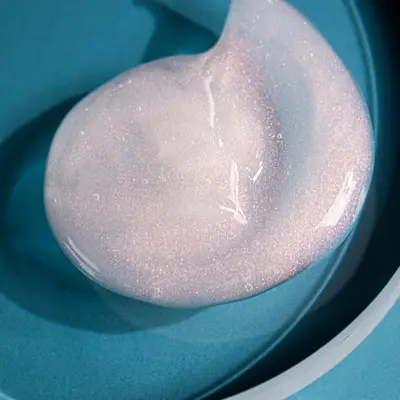 Ready formula
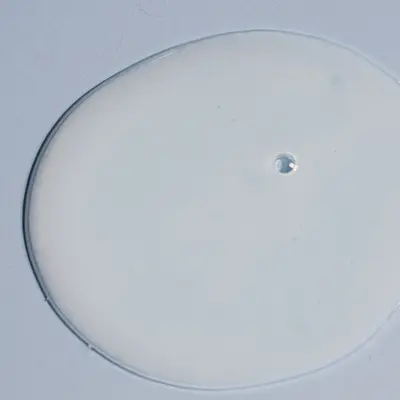 Mist
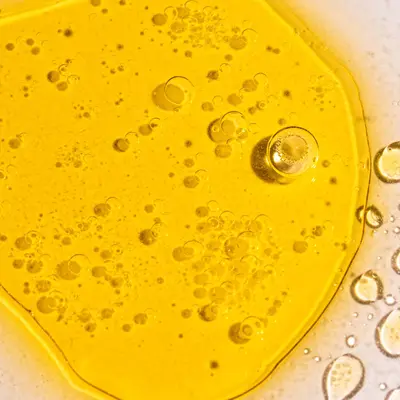 Essence
 Cream
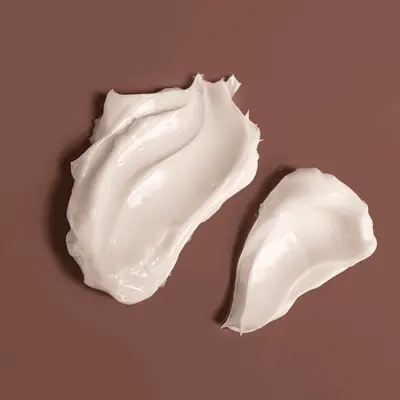 Cream
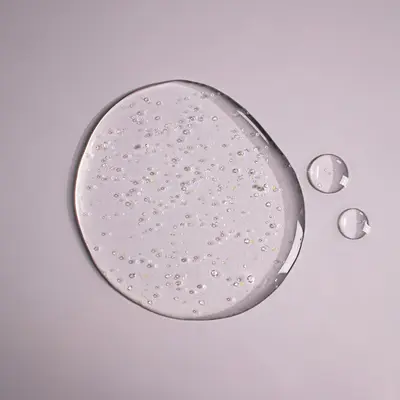 Essence
 Gel
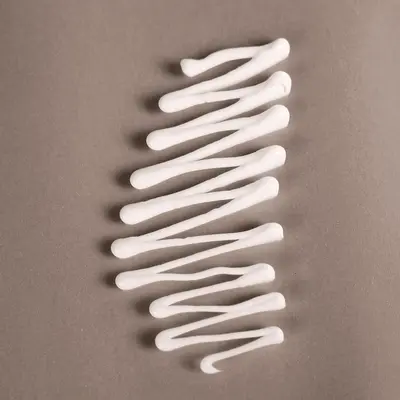 Cream
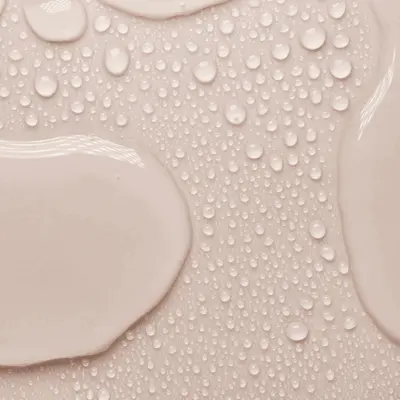 Mist
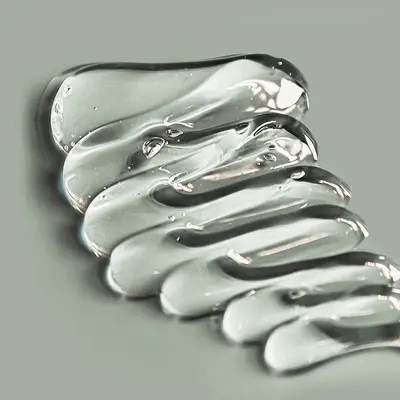 Gel
 Cream
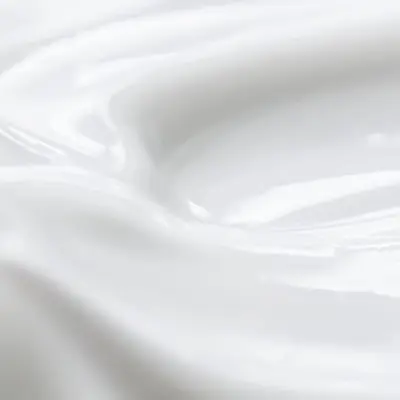 Cream
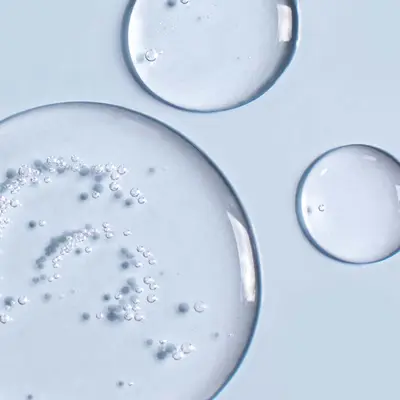 Mist
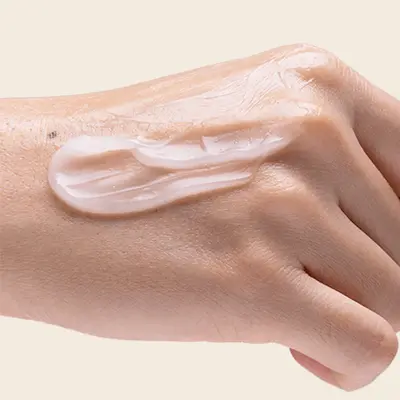 Cream
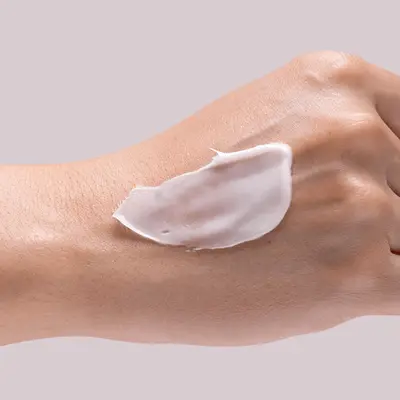 Cream
 Cream
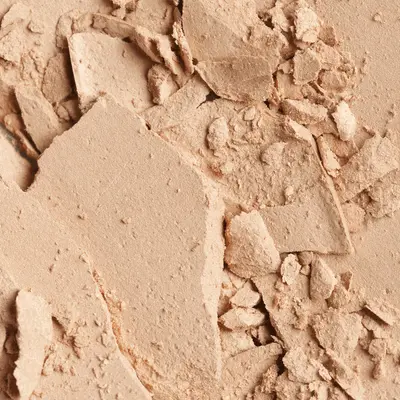 Pressed powder
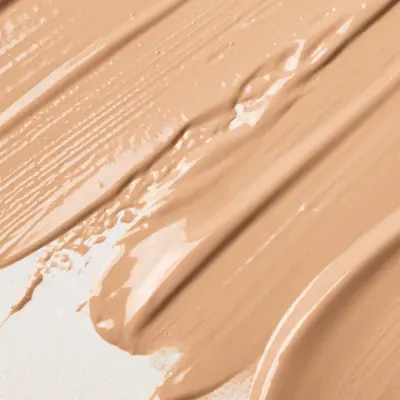 Cream
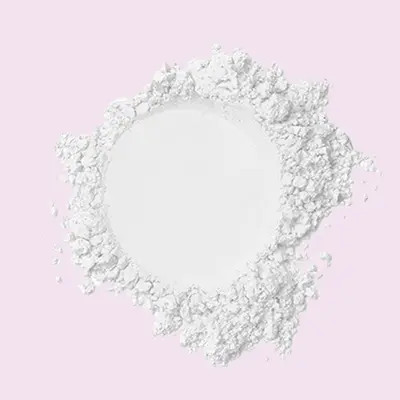 Powder
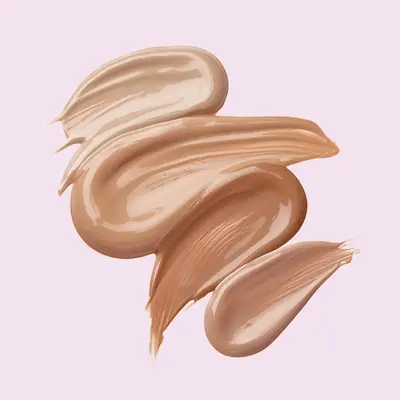 Liquid
 Ready formula
 Liquid
 Serum
 Serum
 Cream
 Liquid
 Liquid
 Liquid
 Liquid
 Liquid
 Liquid
 Liquid
 Ready formula
Showing 48 of 58. Use the finder on each range page to narrow the rest.
Hyaluronic acid works in almost any water-based format, so the first decision is where it sits in your customer's routine and what feel you want them to notice.
Most formulas use sodium hyaluronate, the salt form. Different molecular weights give different feels: higher weights leave a smoother surface film, lower weights feel lighter. It pairs easily with panthenol, glycerin, ceramides and niacinamide. Because it holds water rather than sealing it in, it works well when layered under, or blended with, a cream or oil.
Hyaluronic acid is not especially sensitive to light, so clear dropper bottles, pumps and tubes are all common. If the formula also carries light- or air-sensitive actives, an airless pack is the safer choice.
"Hydrating" or "helps skin feel moisturised" are everyday cosmetic claims. Time-bound claims such as all-day hydration, and plumping or line-smoothing claims, need instrumental or consumer testing in your market. A "multi-weight" claim needs an ingredient list that actually shows more than one form. If you want a different texture or a higher-profile hero claim, our custom formulation service can adapt a base, and the product development guide explains the steps from sample to launch.
Our catalogue lists 58 ready formulas containing hyaluronic acid. Most are serums and ampoules, with creams, toners and mists, eye creams and a few face makeup products. Each can be sampled, then produced under your brand from 500 units per product, with your own label and packaging.
Sodium hyaluronate is the salt form of hyaluronic acid and is the version most cosmetic formulas use, because it dissolves easily in water and is simple to work with. On a label you will usually see sodium hyaluronate in the ingredient list, while marketing copy often refers to hyaluronic acid.
A plumping or line-smoothing claim goes beyond basic hydration, so it needs supporting evidence such as instrumental measurements or a consumer perception study, run on the finished product. Simple claims like "hydrating" are easier to support. Confirm the wording with your regulatory adviser for each market you sell in.
Send your brief and sample list. An advisor replies with options, samples and next steps.