 Cream
Eye care
Retinol is a form of vitamin A used in evening skincare for smoother-looking, more even-looking skin. It is sensitive to light and air, so formulas usually come in opaque or airless packs. Our 20 ready formulas in this group include retinol creams, serums, eye creams and lotions, some paired with bakuchiol, a plant-derived ingredient. Brands can sample them and launch under their own label from 500 units per product.
Cream 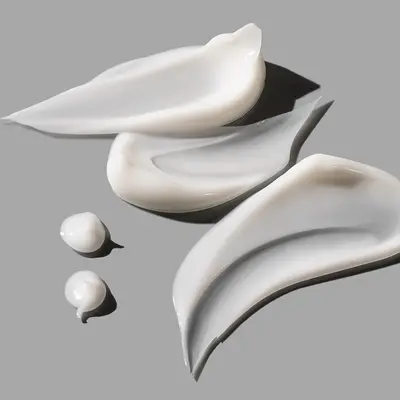 Cream
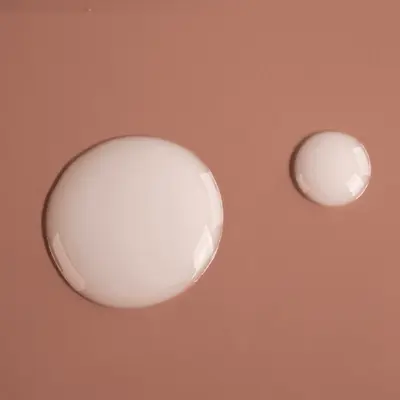 Serum
 Serum
 Serum
 Serum
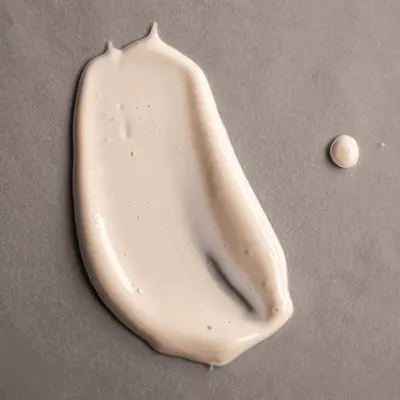 Cream
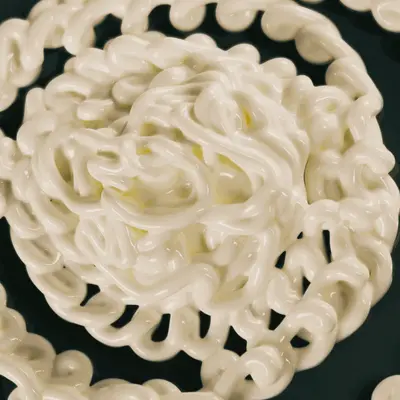 Cream
 Cream
 Cream
 Ready formula
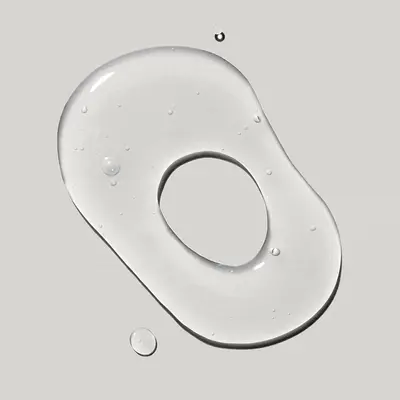 Mist
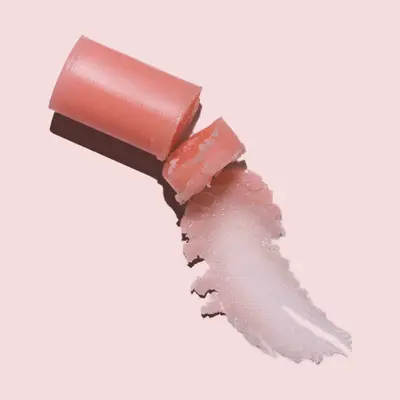 Balm
 Lotion
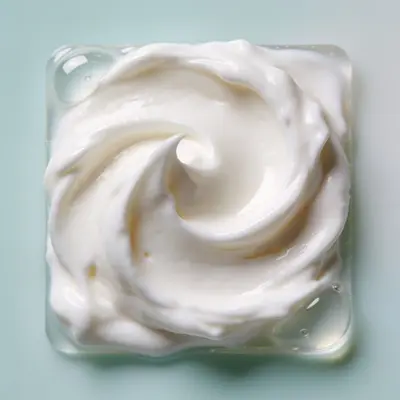 Lotion
 Lotion
 Cream
 Liquid
 Cream
 Liquid
Retinol is one of the most recognised ingredients in skincare, and also one of the most technical to bring to market. Formula, pack and label all need extra care.
Retinol is oil-soluble and is often supported by soothing, comfortable ingredients such as ceramides, panthenol, squalane and niacinamide. Encapsulated forms are sometimes chosen for stability and a gentler feel. Bakuchiol is not a retinoid, but it is often paired with retinol or offered as a separate plant-derived option for customers who prefer one.
Retinol breaks down with light and air, so airless pumps and opaque tubes are the norm. Clear jars and clear dropper bottles are a poor fit. Browse our airless bottles when planning the pack.
Several markets set limits on vitamin A derivatives in cosmetics or require specific warnings, so confirm the permitted level and label wording for each destination with your regulatory adviser. Common label guidance includes evening use, introducing it gradually and using sunscreen during the day. Wrinkle-reduction or results-in-weeks claims need testing on the finished product. Avoid acne-related wording, and seek advice before making any statement about use during pregnancy.
Our catalogue lists 20 ready formulas in the retinol group, including night creams, serums and ampoules, eye creams, lotions, a toner and a balm. Some combine retinol with bakuchiol. Each can be sampled first, then produced under your own brand from 500 units per product.
Retinol is sensitive to light and air, both of which can break it down over time. Airless pumps and opaque tubes limit that exposure and help the product stay consistent through its life. Clear jars and clear droppers are generally avoided for retinol formulas.
Yes, some markets limit vitamin A derivatives in cosmetics and may require specific label warnings, and these rules have changed in recent years. Confirm the permitted level and label wording for every country you sell in with your importer or regulatory adviser before you finalise the formula.
Send your brief and sample list. An advisor replies with options, samples and next steps.